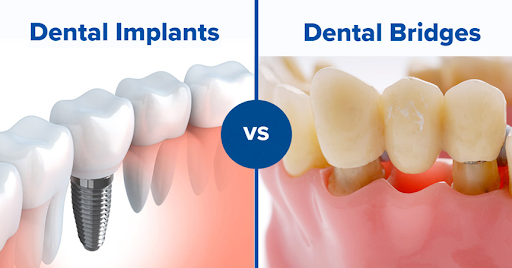
Top 7 Benefits of Choosing Dental Implants vs Bridges
When it comes to replacing missing teeth, many patients are caught between two major options: Dental Implants and Dental Bridges. While both can restore function and aesthetics, Dental Implants and Dental Bridges stand apart in long-term value, health impact, and patient satisfaction. At Clinic ABCD, Dr. Sagarika Muni witnesses these differences firsthand—and here are the seven key reasons why dental implants often come out on top.
1. Bone Preservation & Jaw Health
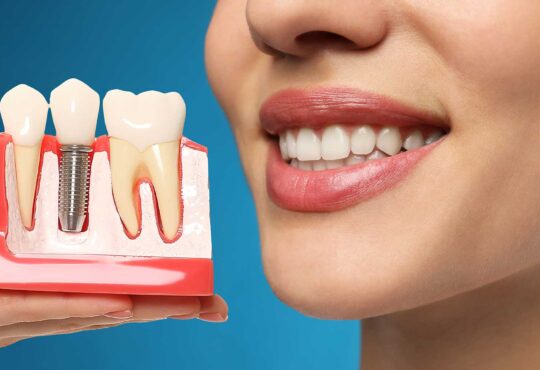
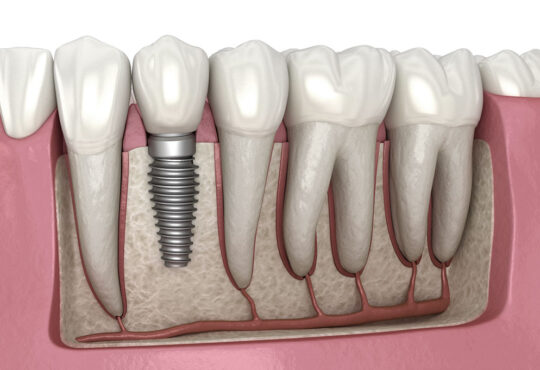
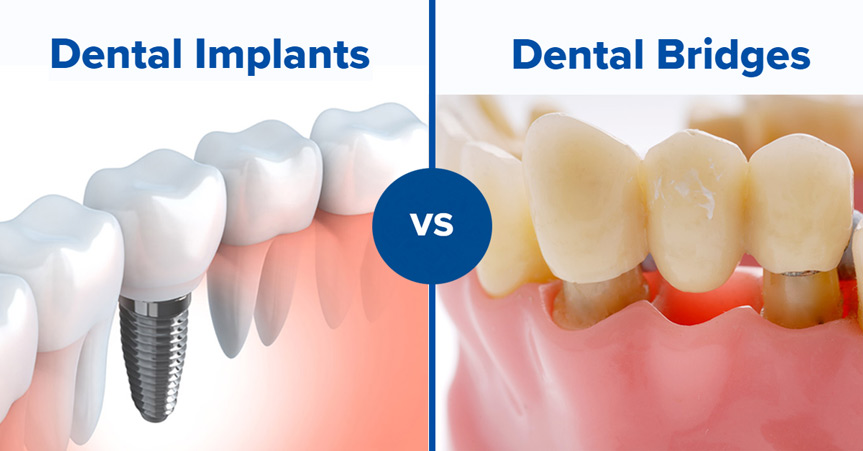
Dental implants replace both the tooth root and crown, directly stimulating the jawbone. This process—called osseointegration—not only keeps the bone healthy but also prevents the bone loss that typically follows tooth extraction. Bridges, on the other hand, only restore the visible tooth and do nothing to preserve underlying bone structure. Eventually, bone around the bridge site may resorb, negatively impacting function and facial contours.
2. Protection of Adjacent Teeth
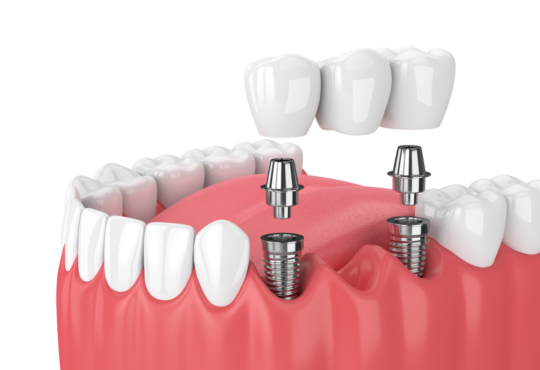
With bridges, the adjacent teeth must be filed down to support the prosthetic, which permanently alters healthy tooth structure. Implants stand alone, without compromising neighboring teeth—making them a more conservative and long-lasting solution.
3. Durability & Longevity
Implants are built to last. Studies report high success rates and long-term survival rates between 93% and 98%, even over a decade or more. Crowns on implants may eventually need replacing, but the implant itself—like a root—can remain functionally intact for a lifetime. Bridges, conversely, typically last between 5 to 15 years, depending on hygiene and bite forces.
4. Superior Oral Hygiene & Maintenance
Because implants function like natural teeth, you can clean around them with regular brushing and flossing techniques. Bridges, however, require special flossing tools and methods to remove debris beneath the pontic—making hygiene more cumbersome and increasing the risk of decay or gum issues around abutment teeth.
5. Aesthetic Excellence & Natural Feel
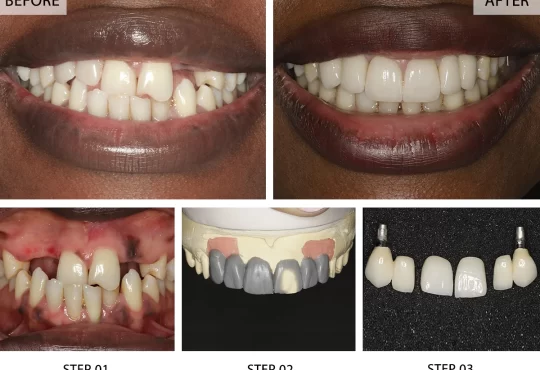
Implant-supported crowns tend to look and feel more like your original tooth. Because implants integrate with the jawbone and allow for natural gum contouring, the final result often blends seamlessly in both appearance and function. Bridges, while effective, can sometimes look apparent at the gumline or lack the “feel” of a standalone tooth.
6. Long-Term Cost Effectiveness
While the initial investment for a dental implant may exceed that of a bridge, implants offer greater long-term value. Bridges often require replacement or repairs over time, leading to cumulative costs that surpass the one-time cost of implants. Investing in an implant upfront can mean fewer future appointments and repairs.
7. Predictable and High Success Rates
Dental implants today benefit from decades of research and improved techniques. With proper case planning and clinician expertise, survival rates remain high across various clinical settings. Meanwhile, bridge longevity often depends heavily on maintaining surrounding teeth and gum health—adding more variables to long-term success.
When Might a Bridge Still Be a Good Choice?
Bridges can be a faster, less invasive, and more affordable choice—in certain situations. They work well when adjacent teeth already need crowns, or when implant surgery isn’t feasible due to health, financial, or timeline constraints. They can also be completed in fewer visits.
The Clinical Perspective at Clinic ABCD
Dr. Sagarika Muni of Clinic ABCD believes in a patient-centric approach. Here’s how she frames the decision:
- Long-Term Health First: Whenever possible, she recommends dental implants to preserve bone and support natural function.
- Minimally Invasive Philosophy: Implants avoid altering healthy neighboring teeth—a priority for long-term oral health.
- Patient Education & Practicality: Though implants are costlier and take little longer to complete, Dr. Muni educates patients on durability and less frequent maintenance.
- Tailored Decisions: Every patient has unique needs—sometimes a bridge becomes the recommended choice due to systemic health, bone quality, or patient preference.
Benefits Summary Table
| Benefit | Dental Implants | Dental Bridges |
| Bone Preservation | Yes – prevents bone deterioration | No – bone loss continues |
| Protection of Adjacent Teeth | Yes | No – alters neighboring teeth |
| Longevity | High (often decades) | Moderate (5–15 years) |
| Oral Hygiene | Easy, natural cleaning | More complex, requires tools |
| Aesthetic & Function | Natural feel and look | May feel bulky or visible |
| Cost Over Time | Cost-effective long-term | Higher maintenance costs |
| Success Rates | Very high with proper care | Dependent on adjacent tooth health |
Final Thoughts
Choosing Dental Implants Vs Dental Bridges is a significant decision—one that affects not just your smile, but your oral health in the years to come. While bridges offer a fast and affordable solution, dental implants excel when it comes to preserving jawbone, maintaining surrounding tooth integrity, promoting hygiene, and delivering unmatched longevity.
For patients at Clinic ABCD, Dr. Sagarika Muni prioritizes implant dentistry for its long-term benefits—but always tailors treatment based on individual needs, medical history, and real-world constraints.
If you’re evaluating tooth replacement options, schedule a consultation with Dr. Sagarika Muni, discuss your goals, and explore which path—implant or bridge—best aligns with your oral health future.