Thinking About Clear Aligners? Here Are 8 Crucial Facts to Know
If you’ve been considering orthodontic treatment, Clear Aligners have likely caught your attention. Sleek, modern, and seemingly easy—they promise a path to a straighter smile without the bulk and visibility of traditional braces. But before you commit, here are 8 crucial facts you should understand so you make a well-informed decision.
- Clear Aligners Are Discreet but Not Invisible
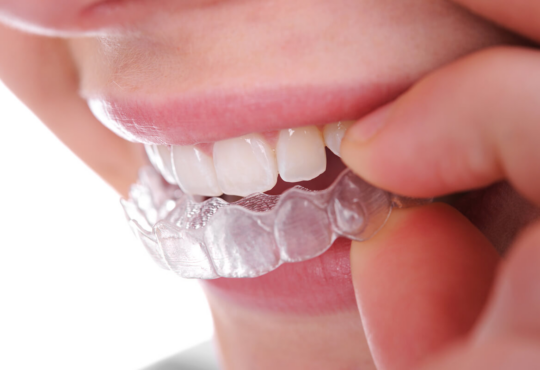
One of the biggest selling points of Clear Aligners is their near-invisibility. Because they’re made from transparent plastic, most people won’t immediately notice you’re wearing them. This aesthetic advantage is a major reason many patients choose aligners over metal braces.
However, “invisible” doesn’t mean perfect camouflage. Under certain lighting or in photos, slight edges or attachments may be discernible. So expectations need to be realistic. - They Are Removable — With Responsibilities
Unlike fixed braces, Clear Aligners are removable, which gives a lot of flexibility. You can take them out for eating, brushing, and cleaning. This means maintaining oral hygiene is easier: you’re not trying to floss around wires and brackets.
But being removable also introduces a variable — compliance. The effectiveness of aligner therapy hinges on wearing them for the recommended hours daily (often 20–22 hours). Take them off too often or fail to put them back after meals, and your treatment may lag or even fail. - They’re Most Effective for Mild to Moderate Cases
Clear Aligners are powerful, but they have limits. They’re often most suitable for mild to moderate orthodontic issues: minor crowding, spacing, mild overbites, underbites, or crossbites. More complex movements (e.g. major rotations, severe skeletal discrepancies) might still require braces or hybrid approaches.
So before choosing aligners, a proper evaluation is vital. A dentist or orthodontist (for example, at Clinic ABCD) can help you understand whether your case is aligner-amenable. - Treatment Planning is Digital and Precise
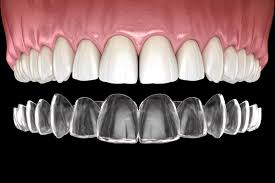
Behind every aligner system is a digital roadmap. After scanning or taking impressions, software simulates your tooth movements from start to finish. Then a series of aligners is manufactured for incremental adjustments. Each tray gently nudges the teeth closer to the planned positions.
This digital approach gives you a preview of your expected final alignment. It also allows for refinement mid-treatment if certain movements aren’t tracking as predicted. - Maintenance & Cleaning Are Easy, But Important
Because you can remove aligners, you can also clean your teeth normally — a major oral hygiene benefit over conventional braces. For the aligners themselves, rinse them after removal, brush gently with a soft brush (without abrasive toothpaste), and always store them in their case when not in use.
Also, avoid hot water (which can warp the plastic) and beverages (other than water) while wearing them. Drinks like coffee, tea, soda, or juices can stain or degrade the aligner material. - Fewer Office Visits, But Still Monitoring Required
With Clear Aligners, you often don’t need weekly adjustments like you’d have with braces. Because the movement is preplanned, “adjustments” come in the form of switching to the next aligner in the series. That reduces the frequency of maintenance visits.
However, periodic evaluation by your provider is still essential. If certain teeth aren’t tracking properly, modifications or refinements might be needed. - Predictability Depends on Compliance and Biology
Aligners are effective—but they’re not magic. The success of your orthodontic outcome depends on several factors:
Wearing time: You must wear them as prescribed.
Bone biology & tooth movement response: Some teeth or gums respond slower.
Attachments & auxiliaries: Small bonded features sometimes help with certain movements.
Refinements: Many cases need extra “refinement” trays or tweaks to achieve perfection.
One study showed that actual tooth movement often lags behind the planned movement in the digital model. This is a reminder that biology still plays a critical role.
- Costs, Time, and Expectations Vary
Cost is a key consideration. Aligners may be more expensive initially compared to traditional braces. But you also save on bracket repairs.
Treatment times are case-dependent. Some mild cases resolve in 6–12 months; moderate ones might take 12–24 months.
Finally, set expectations clearly: aligners demand discipline. Wearing them diligently, maintaining oral hygiene, and following your scheduled checkups are all part of the package.
Bonus: How Dr. Sagarika Muni & Clinic ABCD Evaluate Aligner Candidates
At Clinic ABCD, Dr. Sagarika Muni undertakes a thorough diagnostic workflow before recommending Clear Aligners. She studies scans, assesses anchorage needs, checks root health, and ensures your case is realistically aligner-compatible. If risks are identified—say in very severe rotations or skeletal misalignment—she may opt for hybrid treatments (aligners plus limited braces) to deliver optimal, predictable results.
Your comfort, outcome, and long-term stability are the priority—not just the aesthetics.
Final Thoughts
Clear aligners have transformed orthodontics, offering a balance of aesthetics, comfort, and function. But like any tool, they work best when used correctly, with realistic expectations, and under professional supervision.
If you’re thinking of choosing Clear Aligners, we at Clinic ABCD walk you through all these 8 crucial facts — so your journey toward a confident, healthy smile is smooth and trustworthy.