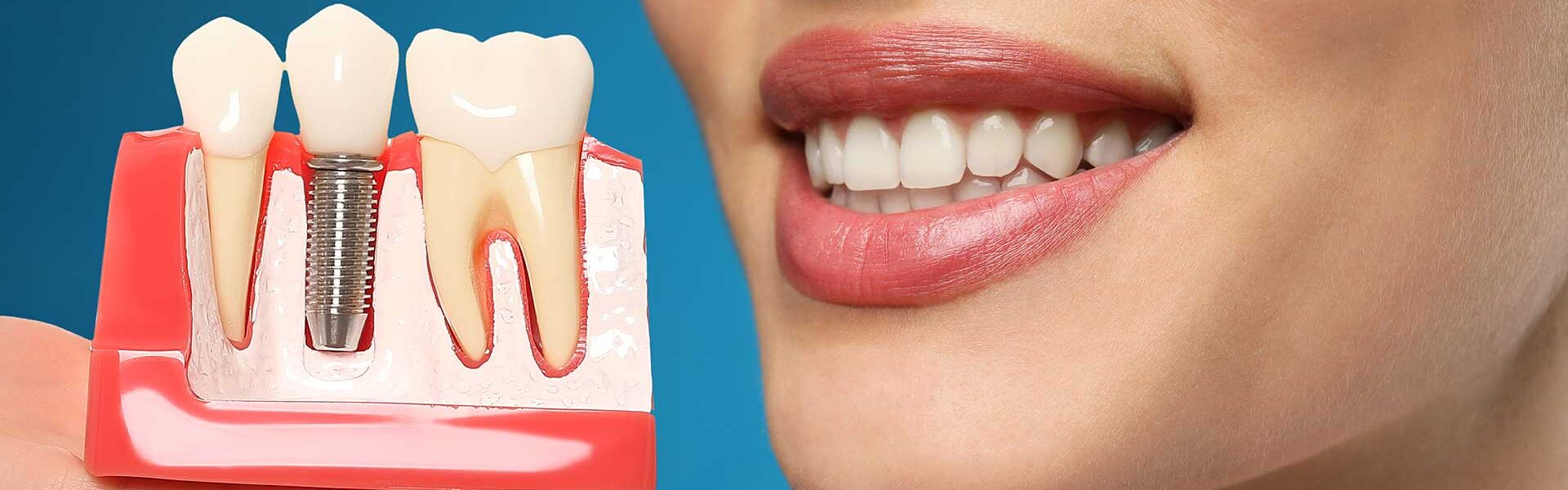
Myths and Facts About Dental Implants: Explained by Dr. Sagarika Muni
When it comes to restoring missing teeth, dental implants are often hailed as the gold standard. But despite their popularity, several myths linger—keeping many from considering this transformative treatment. As a dedicated implantologist, Dr. Sagarika Muni of ABCD Clinic in Bhubaneswar debunks five common myths and reveals the facts you need to know.
1. Myth: Dental Implants Are Too Expensive
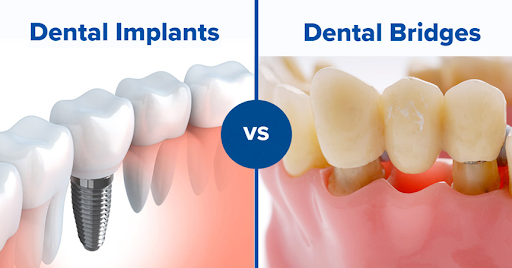
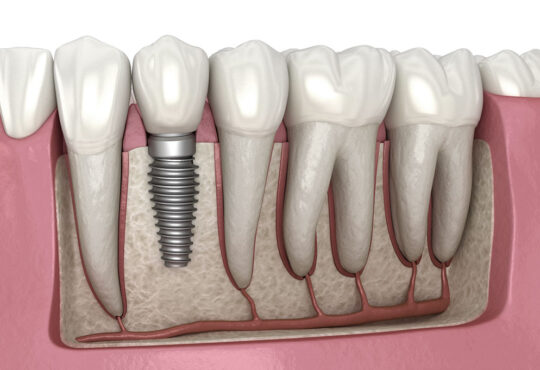
Fact: Yes, there’s a higher upfront cost—but this investment pays off over time. A quality implant replaces both root and crown. It restores chewing function, supports jawbone health, and lasts for decades—often outlasting alternatives like bridges or partial dentures
Dr. Sagarika Muni explains: “While the initial cost may seem high, dental implants typically require fewer replacements and less maintenance. Compared to the cumulative cost of crowns or dentures, implants are often more cost-effective long-term.”
2. Myth: Implant Surgery Is Excruciatingly Painful
Fact: Modern techniques and anesthesia have reduced discomfort considerably. Implant placement is performed under local or sometimes conscious sedation, with most patients reporting only mild pressure during surgery. Recovery is usually manageable with over-the-counter medications.
Dr. Sagarika Muni reassures: “Our priority is your comfort. We use advanced protocols and personalized sedation options to ensure a smooth experience. Most patients say, ‘That was easier than I thought!’”
3. Myth: Not Everyone Can Get Dental Implants
Fact: While factors like bone health, systemic conditions, and habits like smoking affect candidacy, most patients—including those with compromised bone—can still be treated. Techniques such as bone grafting, guided bone regeneration, or zygomatic implants open up implant options for many such cases.
Dr. Sagarika Muni says: “Even when bone volume is insufficient, we don’t turn anyone away. We optimize the foundation using grafts and membrane stabilization, enabling successful implant placement for nearly all patients.”
4. Myth: Dental Implants Look and Feel Artificial
Fact: When placed by skilled professionals with high-quality components, dental implants mimic natural teeth in appearance, function, and comfort . Better yet, they preserve the jawbone and prevent facial sagging—a benefit that dentures can’t match.
Dr.Sagarika Muni points out: “We customize the crown’s color, shape, and positioning. Patients often say they forget which tooth is natural and which is the implant!”
5. Myth: Implants Cause Health Complications
Fact: Dental implants are safe and biocompatible. Rejection is extremely rare. A potential risk is peri-implantitis—an infection around the implant, but this is preventable with good oral hygiene and regular check-ups.
Dr.Sagarika Muni emphasizes: “A well-maintained implant site with healthy gum and bone can last a lifetime. Our team monitors every stage—placement, integration, and afterward—to minimize complications.”
Why These Myths Persist
Misconceptions about cost, pain, and eligibility often stem from outdated techniques or partial information. Many patients hear outdated stories—like “dental surgery hurts” or “implants are only for the wealthy”—and never seek the full picture.
Dr. Sagarika Muni explains: “We’re in a new era of implant dentistry. With digital planning, guided surgery, and minimally invasive protocols, outcomes are smoother, faster, and more predictable than ever.”
Deeper Dive: The Implant Process from Start to Finish
- Consultation & Planning
- Clinical exam + 3D scans assess bone volume, anatomical landmarks, and sinus health.
- Digital planning opens the door to “guided implant surgery” for precise placement.
- Clinical exam + 3D scans assess bone volume, anatomical landmarks, and sinus health.
- Bone Grafting (If Needed)
- Autografts, allografts, or synthetic options restore bone volume.
- Covered with a bioresorbable membrane to stabilize the graft.
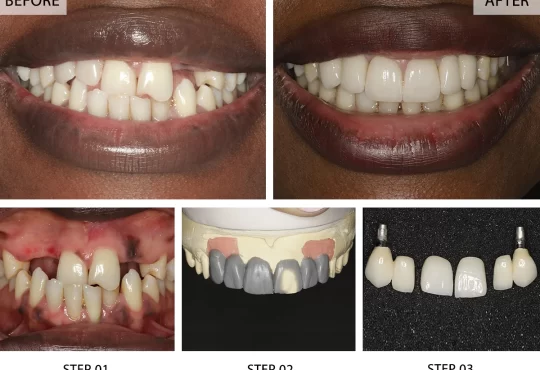
- Rest period: 3–6 months for bone regeneration. Dr. Muni often shares before-and-after scan visuals to reassure patients.
- Autografts, allografts, or synthetic options restore bone volume.

- Implant Placement
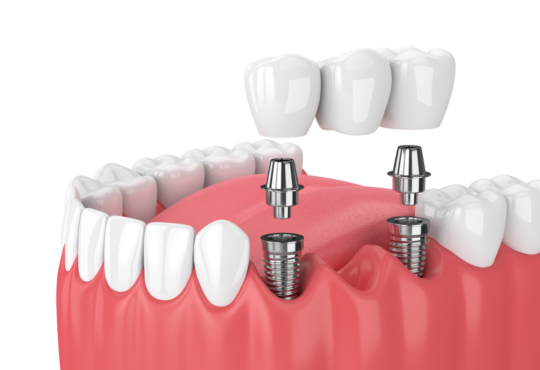
- Prosthetic Attachment
- Healing abutment placed to guide gum tissue.
- Final crown fabricated to match surrounding teeth in color, shape, and bite.
- Dr. Sagarika Muni ensures the crown both looks seamless and distributes chewing pressure evenly.
- Healing abutment placed to guide gum tissue.

- Aftercare & Maintenance
- Regular hygiene appointments to clean plaque around the implant—just like natural teeth.
- Patient education on soft-bristled brushes, antimicrobial mouthwash, and proper flossing.
- Annual check-ups monitor bone health and detect early signs of peri-implantitis.
- Regular hygiene appointments to clean plaque around the implant—just like natural teeth.
Benefits Beyond Aesthetics
- Jawbone Preservation: Implants stimulate bone, preventing the shrinkage and sagging common with missing teeth
- Improved Chewing & Nutrition: Restored biting force allows patients to enjoy a broader diet.
- Boosted Oral Health: Implants stand independently—no harm to adjacent teeth like with bridgework.
- Long-Term Durability: With proper care, implants can last decades—outperforming many traditional dental prosthetics
Final Verdict: Should You Consider Implants?
Absolutely. If you’re missing one or more teeth, dental implants—despite the myths—offer a reliable, natural-feeling, and long-lasting solution. Under Dr. Sagarika Muni’s care at ABCD Clinic, Bhubaneswar, your treatment will include expert planning, skilled execution, and personalized support.
If you’re curious about implants but worried by myths, don’t hesitate to #AskDrSagarika. Your smile and confidence deserve the clarity and care only modern implant dentistry can provide.
Patient FAQs
- Is implant surgery painful?
With numbing and sedation, most patients feel minimal discomfort, often describing it as “pressure” rather than pain - What if I don’t have enough bone?
Bone grafting with membrane stabilization—techniques Dr. Muni specializes in—creates a firm foundation for successful implants. - How long does osseointegration take?
Typically 8–16 weeks. Guided implant placement accelerates healing and improves accuracy. - How do I care for my implants?
Daily brushing, flossing, and regular dental visits keep implants healthy and prevent complications like peri-implantitis. - Are implants durable?
Yes—studies show a 93–98% survival rate over five years and excellent long-term outcomes.
Ready to Explore?
Don’t let myths hold you back from a confident, functional smile. Book a consultation with Dr. Sagarika Muni at ABCD Clinic in Bhubaneswar today. Let’s discuss how dental implants can transform your oral health and quality of life—clearing myths and building facts.
🔗 Call us or visit our website to schedule your implant evaluation. Together, we’ll create a personalized treatment plan designed just for you.