
How Dental Implants Can Improve Your Bite Alignment
By Dr. Sagarika Muni, ABCD Clinic, Bhubaneswar
Dental implants are more than just tooth replacements—they’re foundational solutions that stabilize your bite, enhance chewing, and preserve the harmony of your jaw. In this post, we’ll explore how implants correct misalignment, prevent shifting, and improve oral function—highlighting how Dr. Sagarika Muni applies these principles every day at ABCD Clinic.
1. Filling Gaps to Prevent Tooth Drift
When a tooth is lost, the empty space often leads neighboring teeth to drift into it, disrupting your bite and causing misalignment. Over time, this shift can cause uneven wear, crowding, or tilting of adjacent teeth—compromising both function and aesthetics.
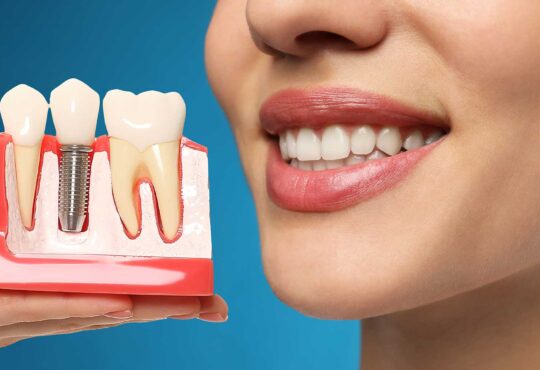
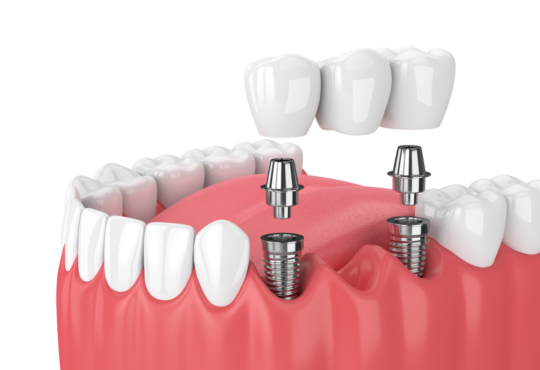
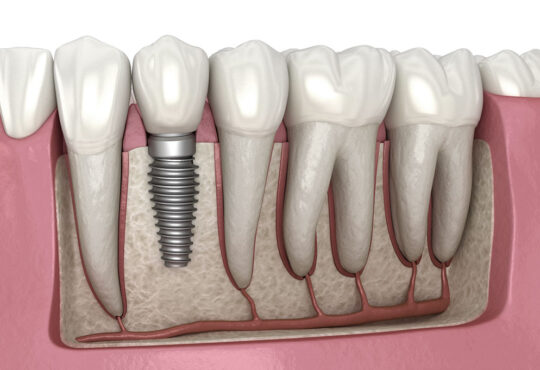
A dental implant mimics a natural tooth root by anchoring a prosthetic crown directly into the jawbone. This fills the gap and preserves the position of surrounding teeth. As the implant supports its own crown, it prevents adjacent teeth from drifting—or worse, the opposing tooth from elongating into the space.
Dr. Muni explains, “By placing an implant promptly after extraction, we lock teeth into their rightful positions—protecting your bite alignment and preventing cascade misalignment later.”

2. Restoring Balanced Bite Force
With missing teeth, you tend to chew using only one side of your mouth—or unevenly distribute pressure across the dental arch. This places excessive stress on certain teeth and the jaw joint, potentially leading to pain, chipped teeth, and even TMJ issues.
Dental implants evenly distribute bite forces by reintroducing a stable tooth structure, bringing occlusion back into balance .“Efficient mastication is essential not just for comfort—it also supports digestion and jaw health,” notes Dr. Muni. “Implants restore up to 100% of natural biting power, while dentures often achieve just 25–60% efficiency”
3. Preserving Jawbone and Facial Structure
The alveolar bone—the part of your jaw that holds teeth—relies on stimulus from chewing to stay healthy. When teeth are removed, that stimulation disappears, and bone begins to deteriorate. This bone loss gradually alters the jaw’s shape, leading to bite collapse and sunken facial appearance .
Implants mimic natural tooth roots by transmitting chewing forces into the bone, preserving bone density and height.
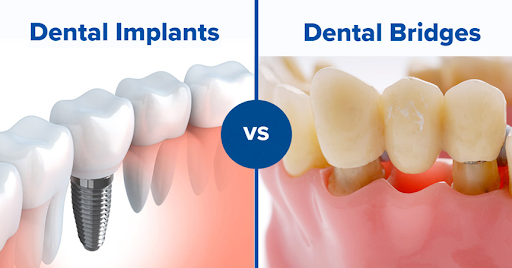
Dr.Sagarika Muni explains, “Beyond functional gains, implants safeguard your jawline and facial contours—providing long-term benefits that prosthetics like bridges and dentures cannot.”

4. Improving Chewing, Speech, and Confidence
A stable bite isn’t just crucial for chewing—it’s the foundation for clear speech and self-assurance. Dr. Muni highlights several key benefits:
- Chewing efficiency returns to normal, allowing crisp bites and comfortable digestion.
- Speech clarity improves—filling taste and airflow gaps that missing teeth disrupt .
- Confidence soars, especially when your smile looks and feels natural.
She often hears from patients, “I forgot I ever lost a tooth,” thanks to expertly crafted crowns and seamless alignment.
5. Preventing Wear, Damage, and TMJ Stress
When bite forces are imbalanced, the overloaded teeth absorb more pressure—leading to fractures, enamel wear, and sensitivity. Jaw overload can also manifest as tension or popping in the TMJ.
Dental implants restore even distribution of chewing forces, reducing risks of wear and damage. .
Dr.Sagarika Muni adds, “Proper alignment doesn’t just preserve the bite— it protects the entire masticatory system, including muscles and joints.”
6. Enhancing Orthodontic & Long-Term Planning
Sometimes, teeth are realigned through orthodontics only to relapse into misalignment if a tooth is later lost—a problem seen particularly after braces or aligners. An implant placed in the right place acts as a permanent anchor, preventing relapse.
“Implants complement orthodontics beautifully,” says Dr. Muni. “They lock in the results you’ve worked for—maintaining alignment and bite stability long-term.”
7. Real Cases from ABCD Clinic
Dr. Sagarika Muni has restored smiles with lasting precision:
Single posterior implant after molar loss: improved chewing, eliminated facial asymmetry, and preserved neighboring teeth.


Multiple implants In Aesthetic Zone


Patients frequently comment on how implants feel secure and natural—improving not just function, but quality of life.
The Journey: Implant Placement & Bite Optimization
- Assessment & 3D Imaging
Thorough evaluation with CBCT planning ensures proper implant placement in harmony with jaw and bite. - Bone Grafting (when needed)
Dense bone is built via grafts; necessary for ideal implant positioning and proper occlusion. - Guided Implant Surgery
Computer-guided drilling allows precision placement—integral for balancing bite forces. - Osseointegration
The implant fuses with bone over weeks. Dr. Muni monitors alignment and bite adjustments as healing progresses. - Prosthetic Phase
Custom crown manufacture ensures bite contacts are accurate—crucial for alignment and chewing performance. - Maintenance & Monitoring
Regular check-ups assess implant, gums, and bite. Adjustments are made if alignment changes or symptoms appear.
Why Bite Alignment Matters Beyond Teeth
- Overall Health: Proper chewing enhances digestion and nutrient absorption.
- Comfort & Comfort: Even bite reduces jaw fatigue, muscle pain, headaches.
- Longevity: A stable implant-bite system lasts decades when maintained.
Who Is a Good Candidate?
Ideal candidates are adults with:
- One or more missing permanent teeth
- Generally good oral health
- Sufficient bone (or willingness to undergo grafting)
Those with chronic disease, heavy smoking, or uncontrolled diabetes may need extra planning—but most can undergo implant therapy safely.
Dr.Sagarika Muni always begins with a personalized consultation—reviewing your oral status, bone health, and bite goals. Modern techniques broaden implant candidacy significantly.
FAQs on Bite Alignment & Implants
Q1: How soon after extraction can I get an implant?
A: Immediate placement is possible in some cases. Otherwise, implants are typically placed after 8–16 weeks of healing.
Q2: Will an implant feel natural?
A: Yes—when crafted accurately, it looks, feels, and functions like a real tooth, restoring normal chewing and bite feel.
Q3: What if my bite shifts after placement?
A: A stable implant prevents major shifts, but we still monitor your bite annually to ensure longevity.
Q4: Can implants fix TMJ pain?
A: Often, yes. By correcting uneven bite forces, implants often alleviate jaw pain and related headaches.
Conclusion: Bite Harmony That Lasts
Dental implants do more than fill a space—they recreate a natural root-to-crown structure that preserves your bite, your jaw, and your smile’s future. Under Dr. Sagarika Muni’s expert care, ABCD Clinic has empowered countless patients with precise alignment, better function, and greater confidence.
If you’re concerned about bite misalignment after tooth loss—or simply want a stable solution that protects your oral health—implants are a powerful answer. Schedule a consultation with Dr. Muni today to explore how implants can rebuild your bite—and your life.
📞 Contact ABCD Clinic to book your custom implant plan.